
Category Pump Technology
Submersible Vertical Turbine Pump Maintenance Guide (Part A):Key Practices for Long-Term Reliability
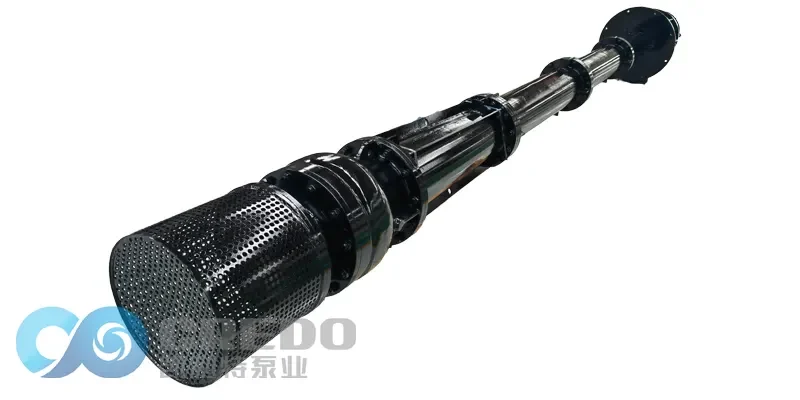
Proper maintenance is essential for ensuring the submersible vertical turbine pump delivers reliable, long-lasting performance in demanding environments such as deep well water extraction, municipal supply, and industrial processes. A well-planned maintenance schedule not only extends equipment lifespan but also…
Understanding Reverse Running Speed in a Deep Well Vertical Turbine Pump: Causes, Risks, and Solutions

The deep well vertical turbine pump is widely used in applications requiring high-lift water transport such as irrigation, municipal water supply, and industrial operations. While it is engineered for reliable performance under normal conditions, one critical issue that must not…
Why a Minimum Flow Valve Is Essential for a Multistage Vertical Turbine Pump
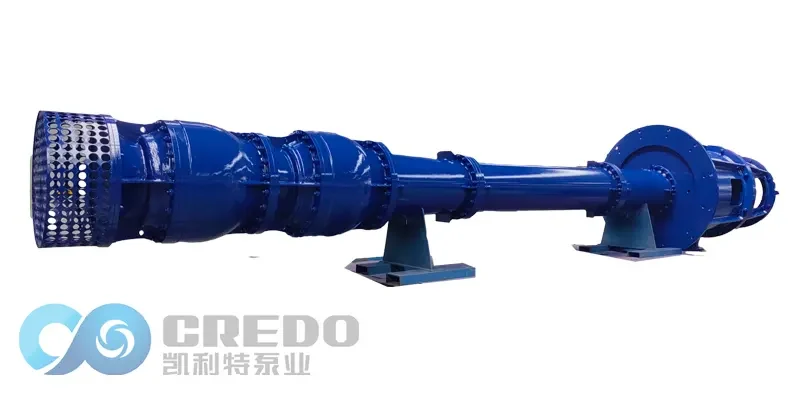
To ensure long-term reliable operation of the multistage vertical turbine pump, one critical component often overlooked is the minimum flow valve, also known as the automatic recirculation valve (ARV). This valve plays a vital role in protecting the pump from…
Understanding the Relationship Between Discharge Pressure and Head in a Deep Well Vertical Turbine Pump

In industrial and municipal water systems, the deep well vertical turbine pump is a vital component for delivering water across significant vertical distances. One of the most important performance aspects of these pumps is their discharge pressure and head. These…
How to Calculate the Shaft Power Required for a Vertical Turbine Pump
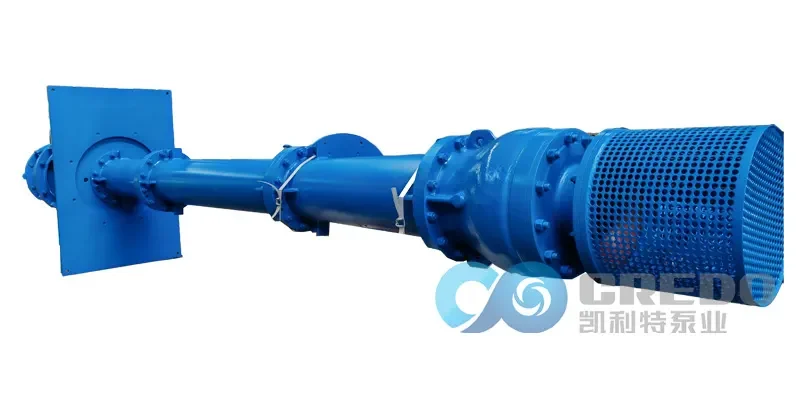
A vertical turbine pump—commonly used in deep well pumping, municipal water supply, irrigation, and industrial processes—operates with high lift and long shaft configurations. To ensure proper motor sizing and energy efficiency, understanding how to calculate the shaft power of a…
About Split Case Centrifugal Pump Energy Consumption: Monitoring, Optimization & Maintenance
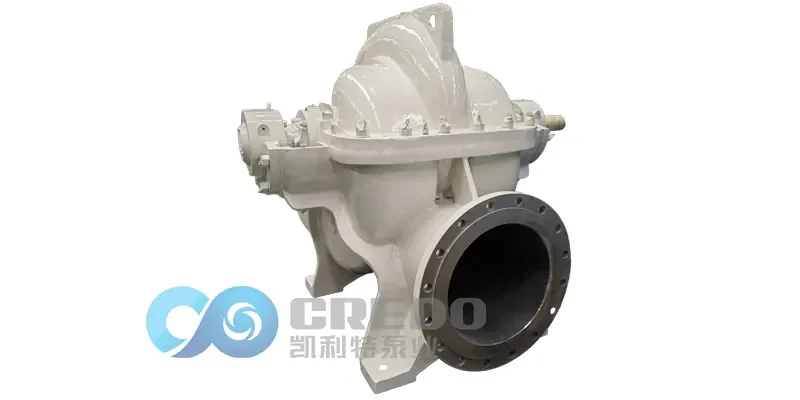
In large-scale water distribution, HVAC, and industrial fluid systems, the split case centrifugal pump is a popular choice due to its high efficiency and reliable flow characteristics. However, even a high-performance pump can become an energy burden if not properly…
Water Hammer Prevention in Split Case Water Pump Systems
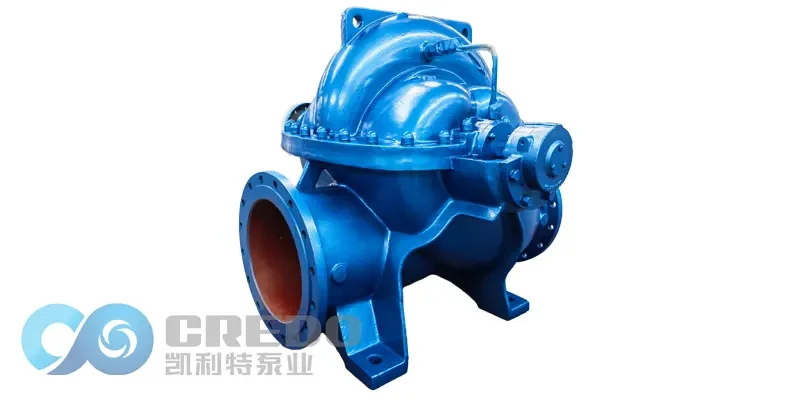
Water hammer is a dangerous hydraulic shock phenomenon that can cause severe pipeline damage, equipment failure, and unplanned shutdowns in pumping stations. In systems using a split case water pump, especially those involving long-distance pipelines or high-lift applications, implementing water…
Five Steps to Install the Axial Split Case Pump
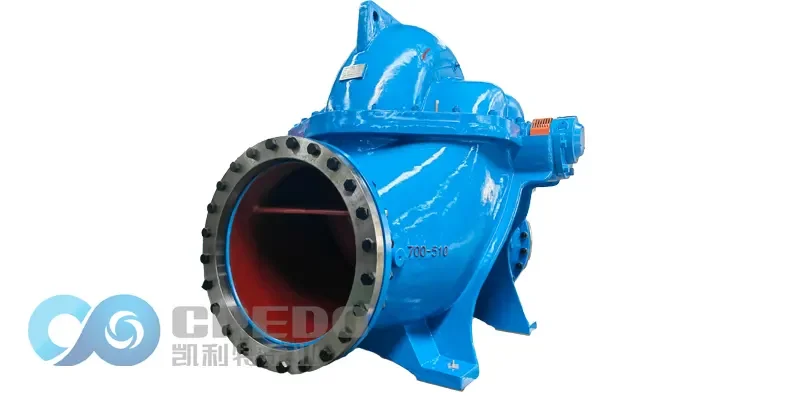
Installing an axial split case pump correctly ensures optimal performance, longevity, and reliability. Whether you’re a seasoned mechanical engineer or a maintenance technician, following a structured approach will help you avoid common pitfalls, meet compliance standards, and maximize operational uptime.…
Understanding the Dangers of Water Hammer in Split Case Centrifugal Pumps
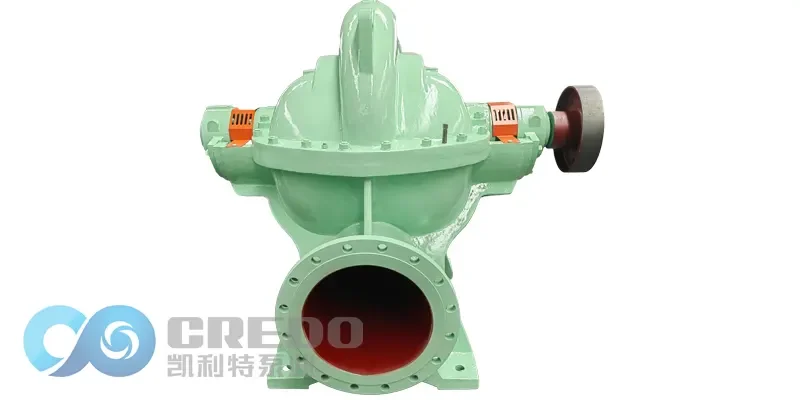
During split case centrifugal pumps operating, one critical issue that often goes unnoticed until it causes significant damage is water hammer. This hydraulic phenomenon can pose serious threats to the integrity of the pump system if not properly mitigated. In…
Top 11 Common Damages of the Split Case Double Suction Pump
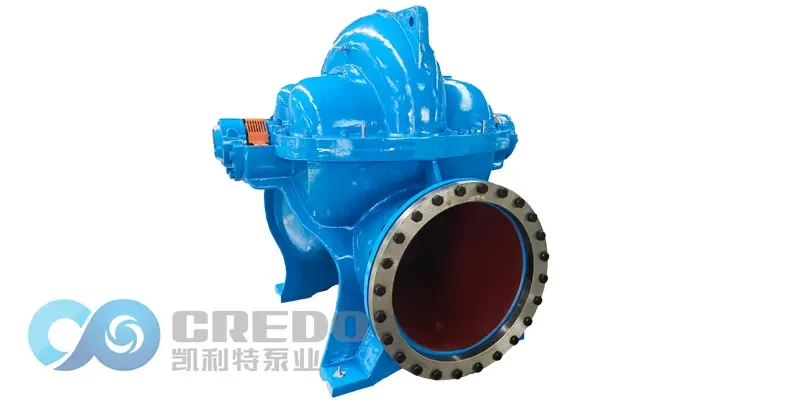
The split case double suction pump is a critical workhorse in a variety of applications, including municipal water systems, HVAC, power plants, and industrial operations. However, even these robust machines are not immune to damage. Many operational and installation missteps…

