
Category Pump Technology
Bearing Temperature Standards and Maintenance Guidelines for Axial Split Case Pumps
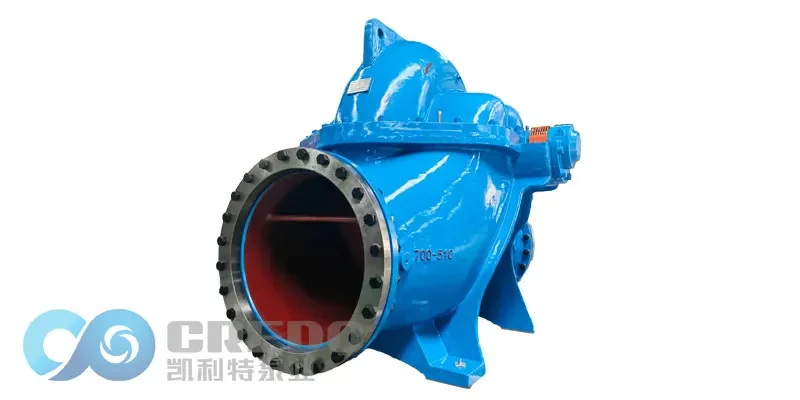
Maintaining the correct bearing temperature is essential to ensuring the efficient operation and long service life of a split case pump and other centrifugal pumps. Bearings are critical components that support the pump shaft and allow smooth rotation under varying…
Key Causes of Vibration in Split Case Pumps and How to Detect Them
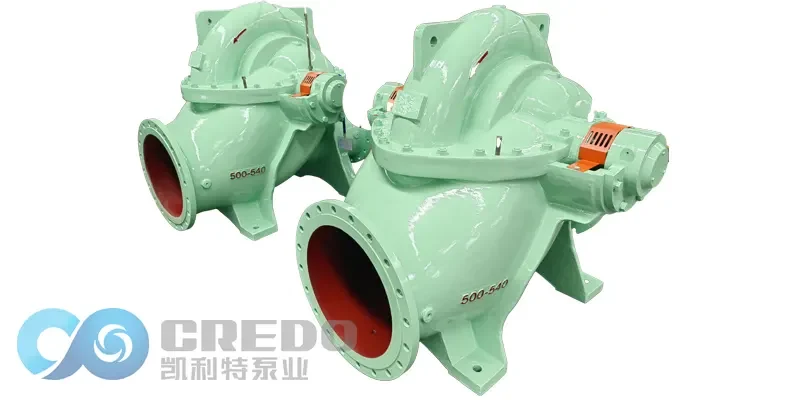
Vibration in a split case pump is not only undesirable but can also cause severe damage to pump components, increase energy consumption, and lead to unplanned downtime. Unacceptable vibration can result in noise pollution, reduced operational efficiency, and even catastrophic…
Essential Precautions for Starting a Split Case Pump
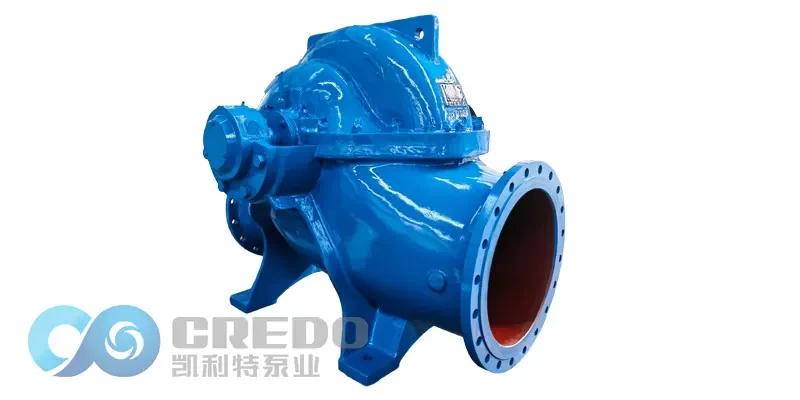
Proper startup procedures are essential to ensure safe and efficient operation of a split case pump. Following a systematic approach not only protects the equipment but also maximizes its performance and lifespan. Preparations Before Starting Split Case Pump Step Operation…
Bracket and Lubrication Options for Double Suction Split Case Pumps
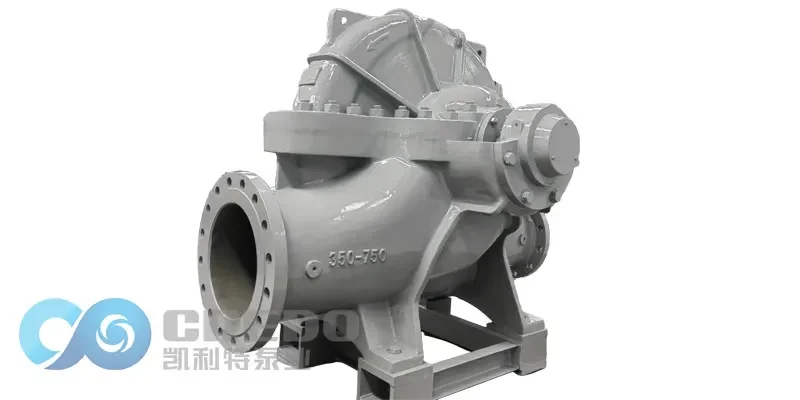
The double suction split case pump relies on a well-engineered bracket system to maintain stability, support the rotor, and ensure long-term operational efficiency. Brackets are available in several configurations—thin oil lubrication, grease lubrication, and barrel brackets—each designed to meet different…
Dynamic and Static Rotor Balancing for Centrifugal Pumps: A Practical Guide
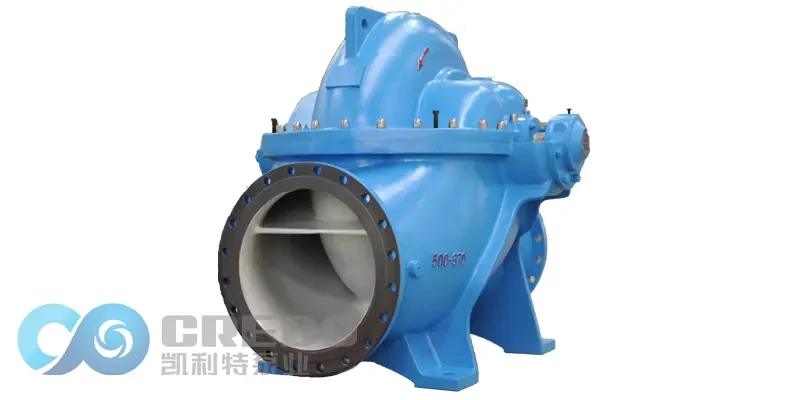
The centrifugal pump is a critical component in many industrial applications, and its performance depends heavily on proper rotor balancing. Proper balancing ensures smooth operation, minimizes vibrations, and extends the pump’s lifespan. Static Balancing for Centrifugal Pumps Static balancing, also…
What’s the Reason for Vibration of Vertical Turbine Pump?
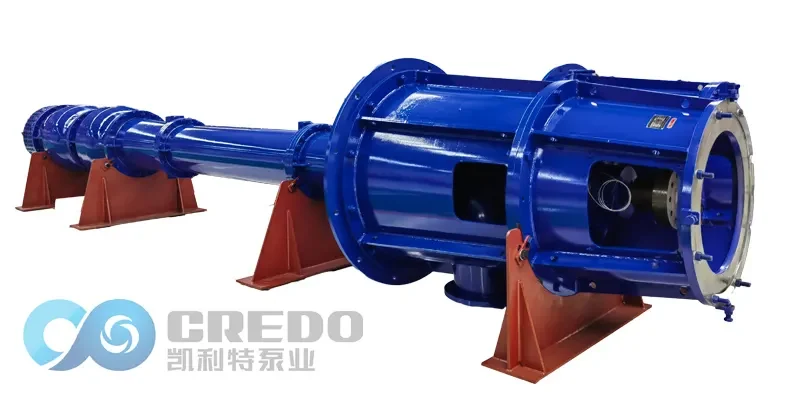
Vibration in vertical turbine pumps can significantly impact performance, longevity, and operational safety. Understanding the root causes of these vibrations is essential for effective maintenance and optimization. This article explores the primary reasons for vibration in vertical turbine pumps, including…
How to Judge the Rotation Direction of the Split Case Pump?
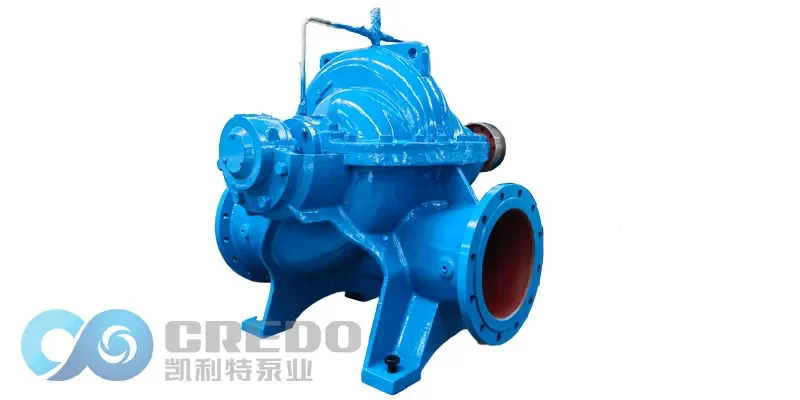
The split case pump is a vital component in various industrial and commercial applications, known for its efficiency and reliability. Understanding its key features—rotation direction, sealing methods, and bearing lubrication—is essential for selecting and maintaining the right pump for your…
What’re the Reasons for Noise When the Vertical Turbine Pump Operating, and How to Fix?
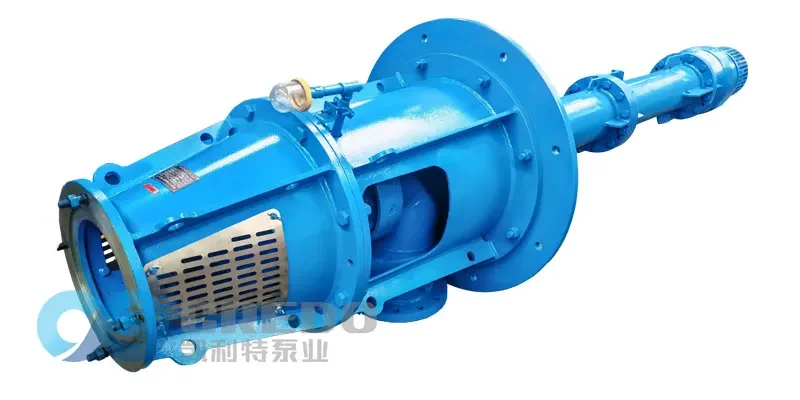
Vertical turbine pump is widely used in municipal water supply and drainage, industrial circulating water, agricultural irrigation, and other low-liquid-level transport applications. Their operational stability directly affects the efficiency and safety of the entire pumping system. During normal operation, pumps…
How to Assembly and Disassembly the Vertical Turbine Pump?
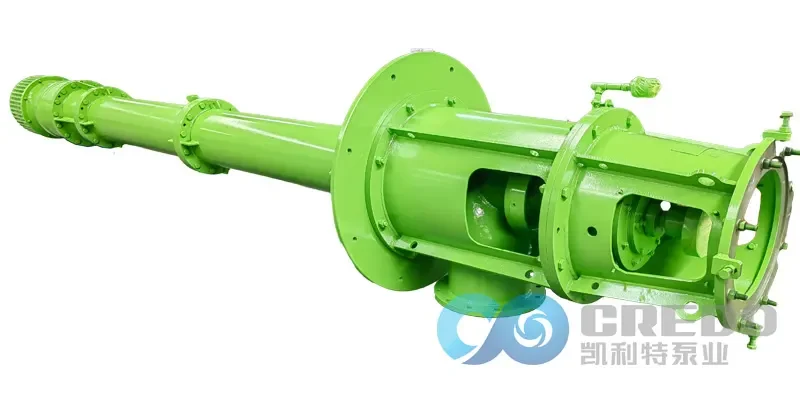
Vertical turbine pumps play a critical role in deep well applications, especially where water needs to be lifted from dozens of meters underground. Unlike horizontal or inline pumps that can be hoisted and serviced as a single unit, vertical turbine…
Technical Specification for Machining, Inspection, and Acceptance of Shaft Components for Split Case Centrifugal Pumps
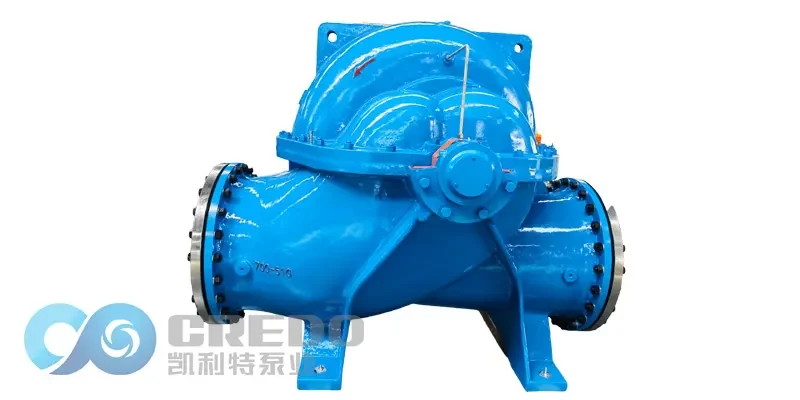
Split case centrifugal pumps are widely used in industries such as petrochemical processing and water conservancy. Shaft components are among the most critical parts of the pump, directly determining operating efficiency, reliability, and service life. To ensure safe and stable…

