Dynamic and Static Rotor Balancing for Centrifugal Pumps: A Practical Guide
The centrifugal pump is a critical component in many industrial applications, and its performance depends heavily on proper rotor balancing. Proper balancing ensures smooth operation, minimizes vibrations, and extends the pump’s lifespan.
Static Balancing for Centrifugal Pumps
Static balancing, also known as single-plane balancing, involves correcting the rotor on a single plane. The goal is to ensure that the remaining unbalance stays within allowable limits when the rotor is stationary.
This method is simpler and more cost-effective, making it suitable for applications where slight vibrations are tolerable. By addressing unbalance on one plane, static balancing reduces wear and improves pump efficiency.
Dynamic Balancing for Centrifugal Pumps
Dynamic balancing, or multi-plane balancing, corrects the rotor on two or more planes simultaneously. This ensures that the rotor’s unbalance remains within acceptable limits during operation, reducing vibrations caused by rotational forces.
Dynamic balancing is essential for high-speed or precision pumps, where even minor imbalances can lead to significant performance issues. By addressing multiple planes, this method optimizes pump stability, prevents premature wear, and enhances overall longevity.
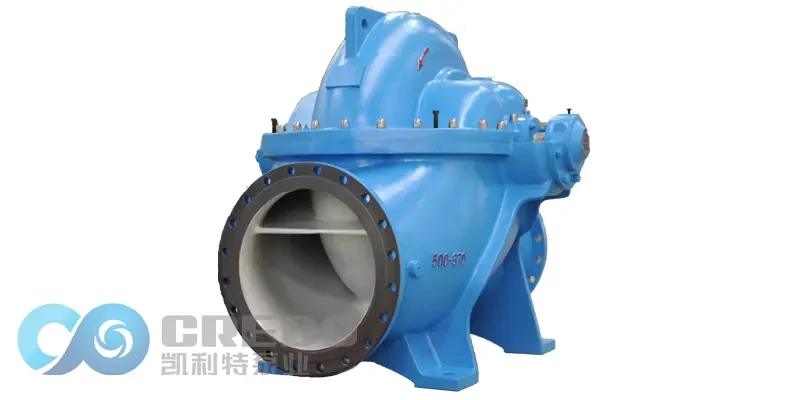
Balancing Method Comparison for Centrifugal Pump Rotors
| Method | Description | When to Use | Advantages |
| Static Balancing | Corrects rotor unbalance on a single plane without affecting performance. | When rotor unbalance is simple and can be corrected on one plane. | Less labor-intensive; cost-effective; saves time and effort. |
| Dynamic Balancing | Corrects rotor unbalance on multiple planes to minimize vibration. | Required for complex or high-speed pumps with multi-plane unbalance. | Ensures reliable operation at high speeds; reduces vibrations and mechanical stress. |
Importance of Dynamic Balance Testing
| Aspect | Key Points |
| Purpose | Detect and correct rotor imbalances to meet operational standards. |
| Components Tested | Impellers, drive shafts, motor rotors, and other rotating elements. |
| Causes of Rotor Imbalance | Uneven material distribution, manufacturing defects, assembly errors, asymmetric design |
| Benefits | Minimizes vibrations; improves pump reliability; extends component lifespan |
Imbalances generate forces transmitted through bearings, causing vibrations, noise, accelerated wear, and, in severe cases, catastrophic failures. Dynamic balance testing ensures the rotor achieves the required balance accuracy, reduces vibrations to acceptable levels, and enhances pump durability and safety.
Conclusion
Proper rotor balancing is crucial for optimal pump performance. Understanding the differences between static and dynamic balancing, and selecting the appropriate method based on operational requirements, helps minimize vibrations, reduce maintenance costs, and extend the pump’s lifespan. Regular dynamic balance testing further ensures efficient operation and prevents costly downtime and repairs.
Related Posts