
Category Pump Technology
How Fluid with Solids Affects Vertical Turbine Pump Design and What You Can Do About It
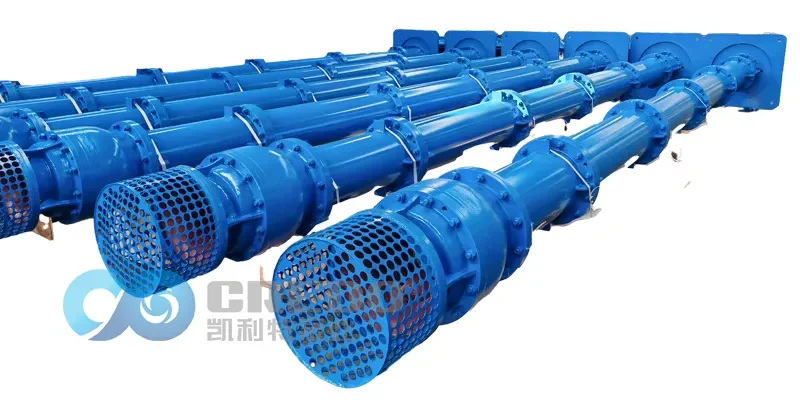
Why Solids in Fluids Pose a Serious Risk to Vertical Turbine Pumps In demanding industries like mining, dredging, and wastewater treatment, vertical turbine pumps often process liquids containing abrasive solids such as sand, slag, or fibrous material. These seemingly minor…
Impeller Trimming for Multistage Vertical Turbine Pumps: When and Why It Matters
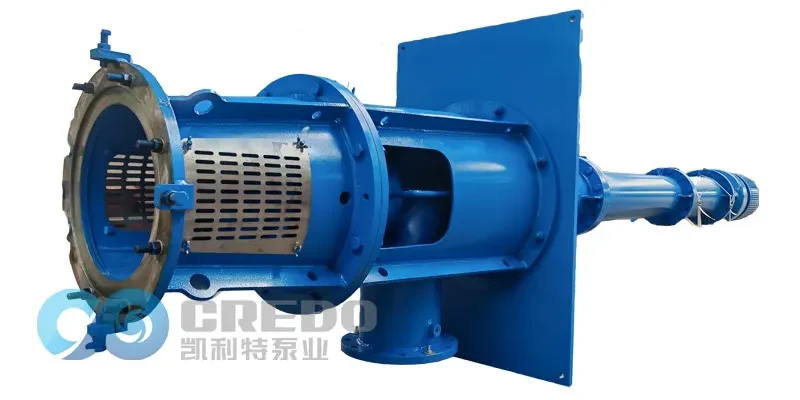
In multistage vertical turbine pump applications, impeller trimming is a commonly used method for adjusting pump performance to better align with actual system requirements. It involves reducing the impeller diameter to decrease the amount of energy imparted to the pumped fluid.…
Common Methods and Practical Guidelines for Cavitation Performance Testing of Vertical Turbine Pumps
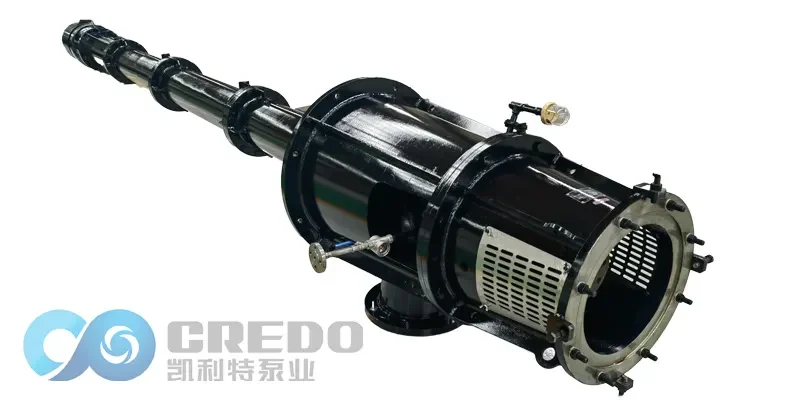
Cavitation is a hidden threat to the reliable operation of vertical turbine pumps, leading to vibration, noise, and impeller erosion, which can ultimately cause catastrophic failures. Due to their unique structure—long shafts often reaching tens of meters—and complex installation, determining…
Why Impeller Gap Optimization Matters in Multistage Vertical Turbine Pumps
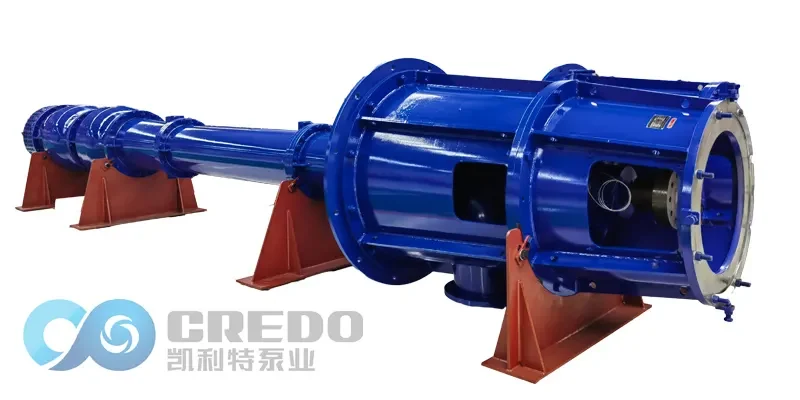
In multistage vertical turbine pump systems, the impeller gap—defined as the radial clearance between the impeller and the pump casing or guide vane ring—plays a critical role in determining the pump’s efficiency and reliability. Typically ranging between 0.2 mm and…
How Multistage Vertical Turbine Pumps Balance Axial and Radial Loads for Long-Term Reliability
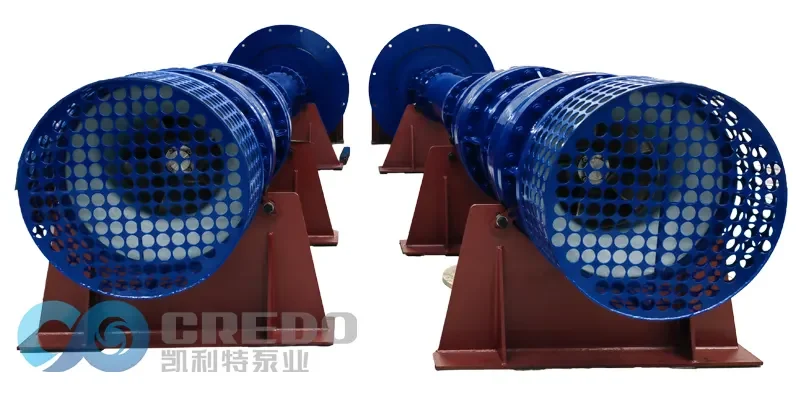
Multistage vertical turbine pumps are widely used in critical applications such as industrial cooling, water supply, chemical processing, and deep-well pumping. Ensuring the mechanical stability of these pumps over long operational periods requires careful management of axial and radial forces…
What Is the Test Process for a Split Case Double Suction Pump? A Step-by-Step Guide
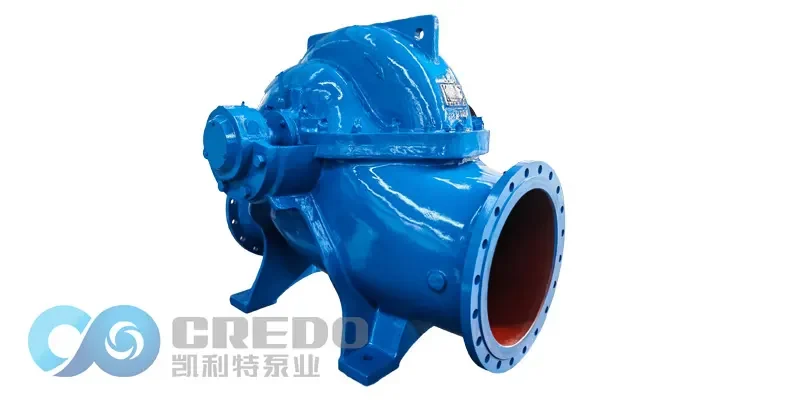
The split case double suction pump is widely used in large-scale fluid transport applications due to its high efficiency, stable performance, and balanced axial thrust. To ensure that the pump meets performance standards and design requirements before commissioning, a complete…
Performance Adjustment Calculation of a Split Case Double Suction Pump
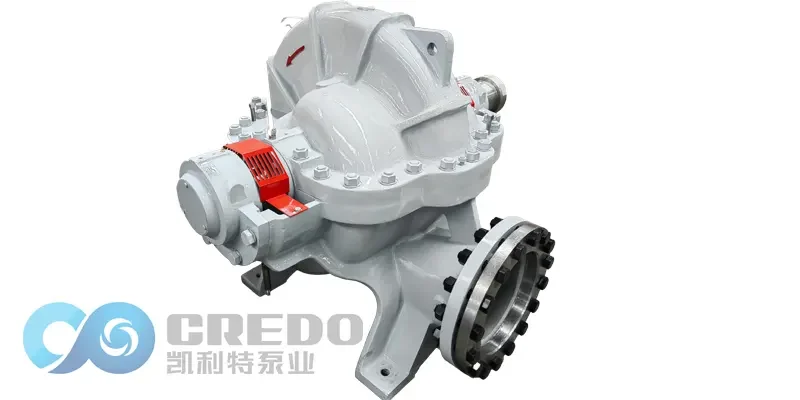
Performance adjustment of a split case double suction pump is a systematic process of evaluating and modifying key operational parameters to meet specific application requirements. Proper adjustment ensures efficient operation under varying system conditions, reduces wear, and extends pump life.…
How to Regulate the Split Casing Pump?
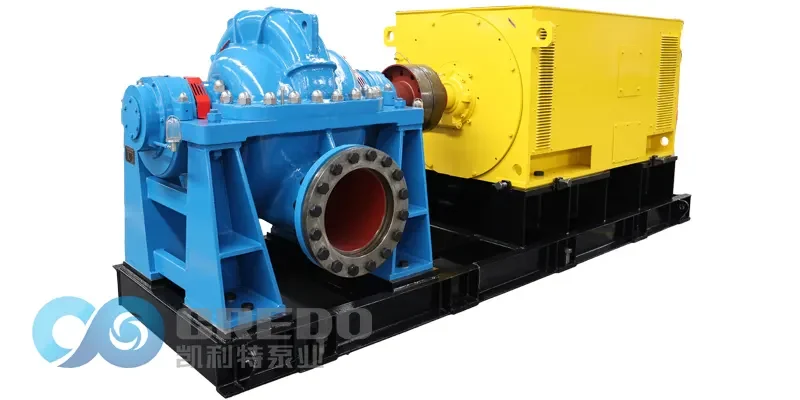
In dynamic industrial environments, system parameters such as flow rate, water level, pressure, and flow resistance frequently fluctuate. To meet these evolving demands, the split casing pump must be adjusted accordingly. Regulation ensures that the pump operates reliably and efficiently…
What Are the Key Considerations for Selection and Quality Control of a Split Casing Pump?
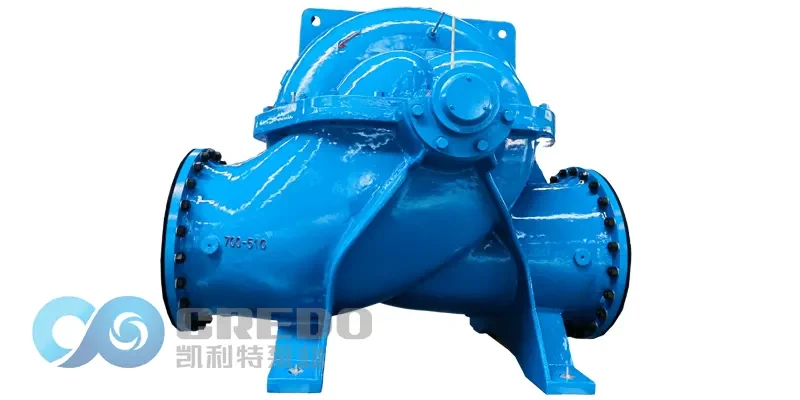
The stable and efficient operation of a split casing pump largely depends on correct pump selection and strict quality control throughout manufacturing and testing. In practice, many operational problems—such as vibration, cavitation, excessive wear, or premature failure—can be traced back…
How to Prevent Shaft Breakage in Axial Split Case Pumps: A Practical Guide for Reliable Operation
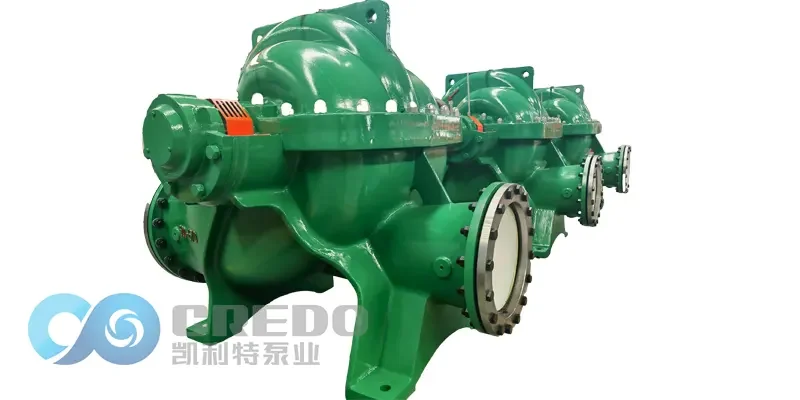
Axial split case pumps are widely used in industrial and municipal applications due to their high flow capacity, reliable performance, and convenient maintenance features. However, one of the most common and costly failures in these pumps is shaft breakage, which…

