
Category Pump Technology
Understanding Split Case Pump Brackets: Types and Specs

The split case pump relies heavily on its bracket system to ensure efficient operation. These brackets, essential for pump stability and performance, come in various types, including thin oil lubrication, grease lubrication, and barrel brackets. This article explores their components, differences,…
Step-by-Step Guide to Start a Submersible Vertical Turbine Pump
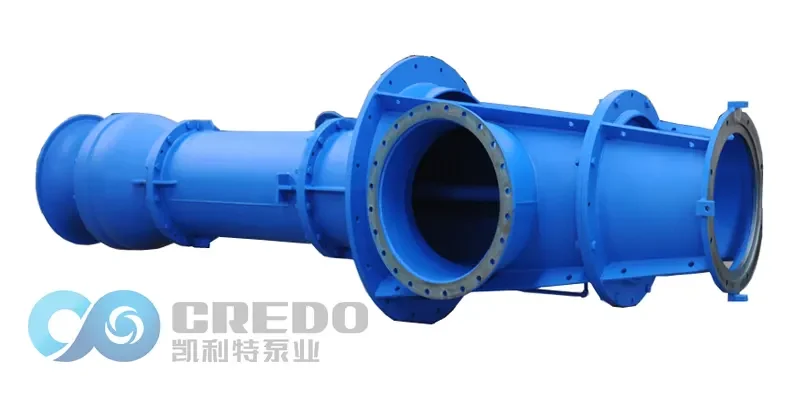
Starting a submersible vertical turbine pump requires careful preparation to ensure safe operation, prevent equipment damage, and achieve optimal performance. This guide outlines the essential steps and safety checks that operators should follow before and during startup. Startup Procedure for…
Causes of Vibration in Vertical Turbine Pumps: Analysis and Solutions
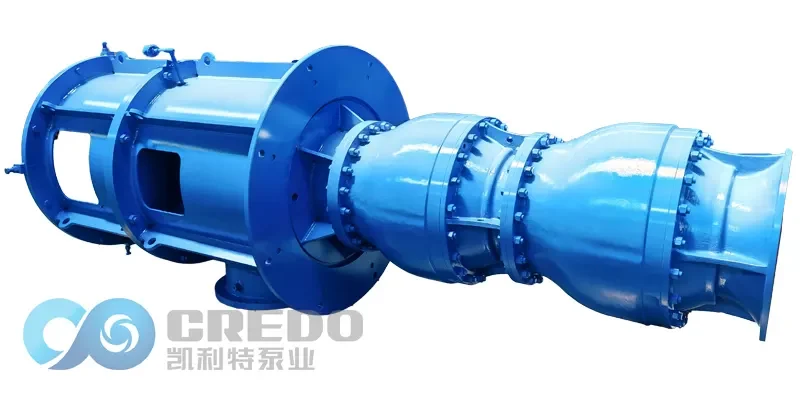
Vibration in vertical turbine pumps can significantly affect performance, lifespan, and operational safety. Understanding the root causes of these vibrations is essential for effective maintenance and optimization. This article examines the main causes of vibration—installation issues, shaft whirl, overload, turbulent…
Exploring Split Case Pumps: Design, Benefits, and Applications
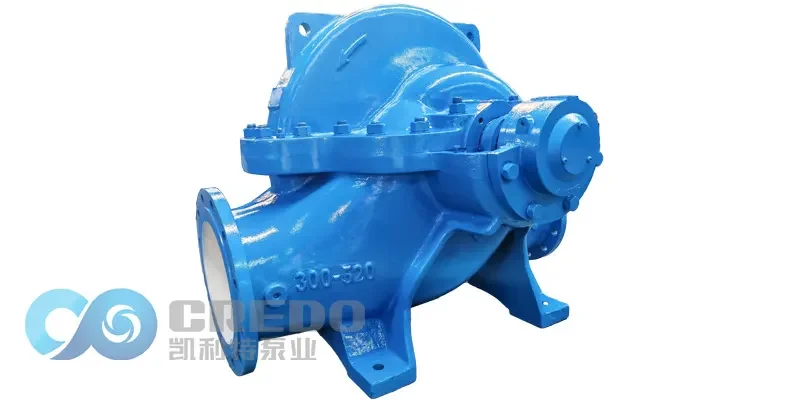
The split case pump is a cornerstone in high-flow fluid management systems, known for its efficiency, stability, and ease of maintenance. This article delves into the design features, operational advantages, and applications of split case pumps, to provide clear and…
How to Replace the Mechanical Seal of a Vertical Turbine Pump
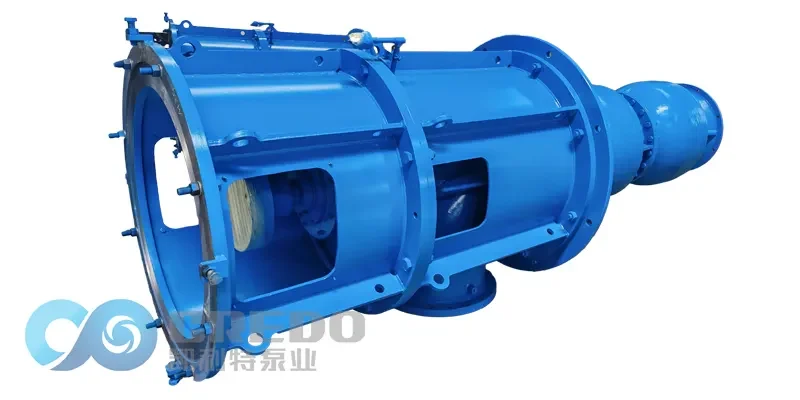
The vertical turbine pump, as a critical fluid transfer device, relies heavily on the integrity of its mechanical seal, which directly impacts the system’s reliable operation and on-site safety. After prolonged service, the mechanical seal may fail due to wear…
How to Eliminate Cavitation Risks from Inlet Eccentricity in Axial Split Case Pumps
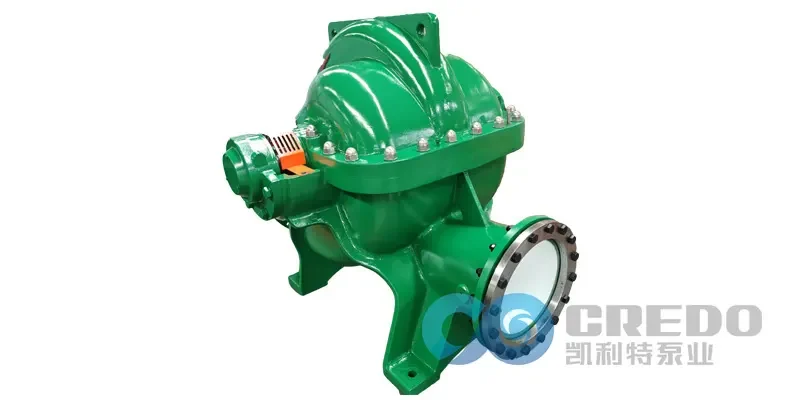
In the installation of an axial split case pump, one critical design detail is often underestimated: the configuration of the eccentric reducer at the suction inlet. Incorrect orientation or improper connection can introduce air pockets, unstable inlet flow, and localized…
Why Maintenance Training Is Essential for Double Suction Pumps
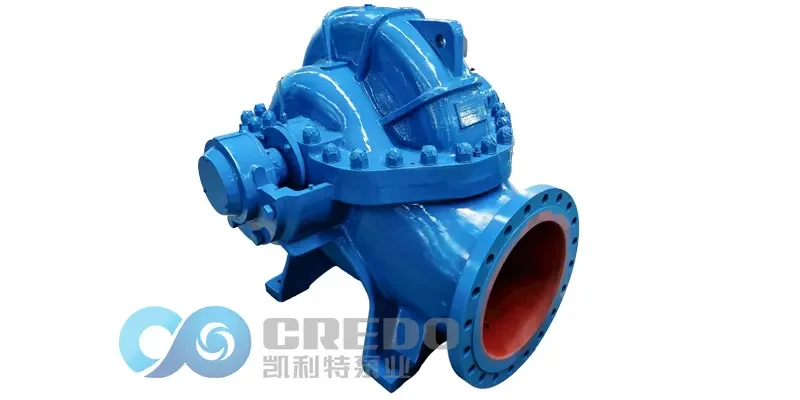
In industrial operations, double suction pumps are critical components for high-capacity fluid movement—whether transporting cooling water in HVAC systems, transferring chemicals in refineries, or handling slurries in mining. Given their integral role and heavy-duty operating conditions, maintaining these pumps efficiently…
Preventive Maintenance and Standardized Operating Procedures for Split Case Centrifugal Pumps
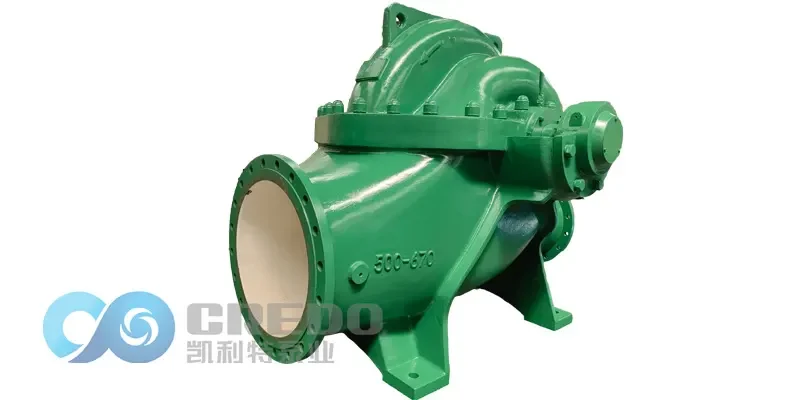
The split case centrifugal pump is a cornerstone of many industrial and municipal fluid handling systems, prized for its high capacity, efficiency, and durability. However, to fully realize its performance and service life, a proactive and standardized approach to operation and…
Why Split Case Centrifugal Pumps Consume Excessive Power During Operation
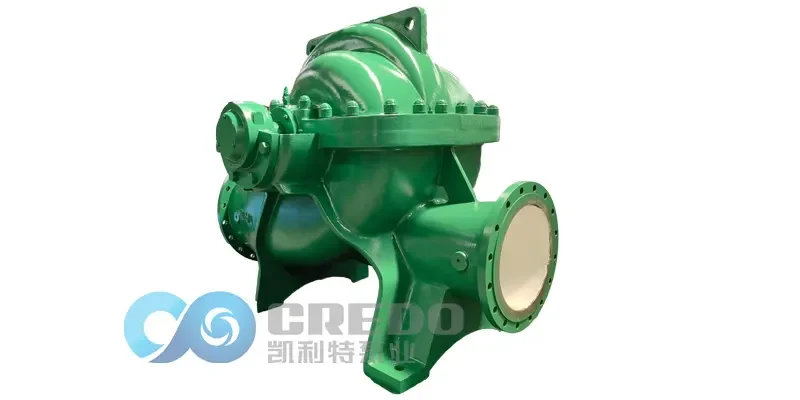
During operation, split case centrifugal pumps may sometimes consume excessive power, which not only increases operating costs but also potentially reduces equipment lifespan. This article analyzes the potential reasons for excessive power consumption in split case centrifugal pumps and proposes…
How Does a Packing Gland Work on a Split Case Pump, and How Do You Adjust It Properly?
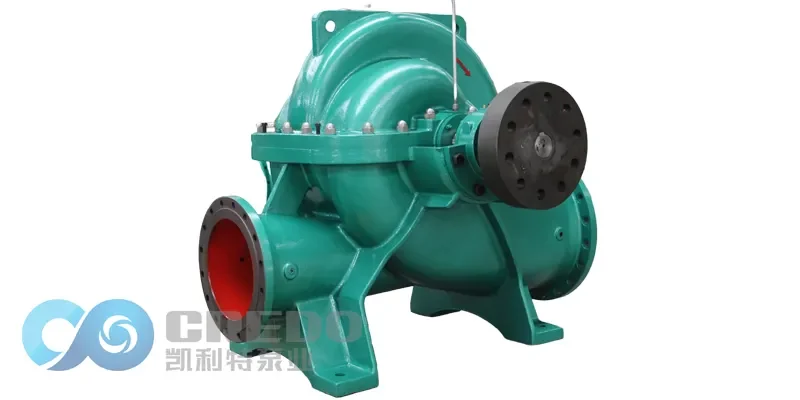
Split case pumps are widely used in water supply, HVAC, power plants, and industrial systems. One of their most reliable and cost-effective sealing solutions is the packing gland (stuffing box). Unlike mechanical seals, packing glands rely on controlled leakage to…

