
Category Pump Technology
How to Diagnose and Reduce Cavitation Damage in Split Case Pumps
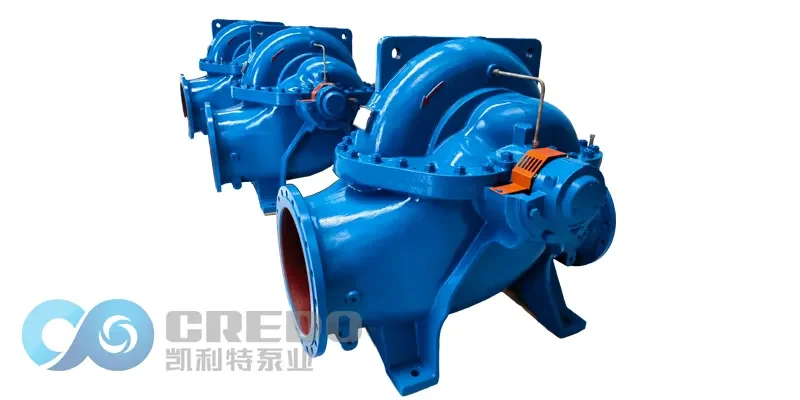
Cavitation is one of the most common and destructive hydraulic problems affecting split case pumps. It occurs when local pressure in the fluid drops below its vapor pressure, causing vapor bubbles to form and collapse violently near the impeller or…
How to Carry out Anti-Corrosion Cleaning of Split Case Pump
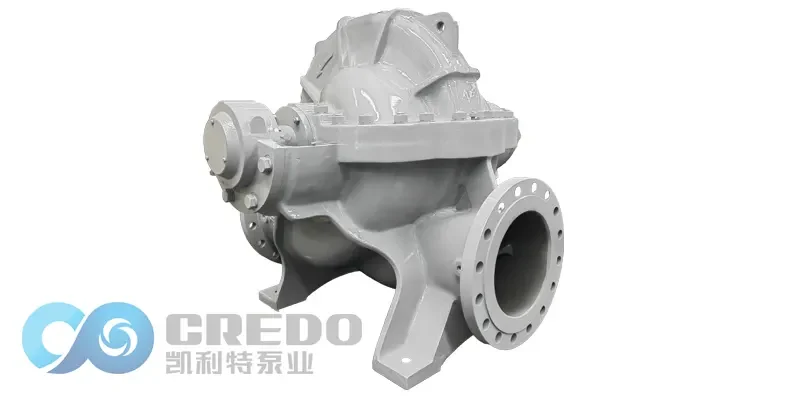
Split case pumps are widely used in water supply, HVAC, and industrial applications due to their high efficiency and reliability. However, during continuous operation, the overcurrent components—especially the pump casing—are subject to wear and erosion caused by impeller friction, cavitation,…
What Affects the Performance Curve of Submersible Vertical Turbine Pumps?
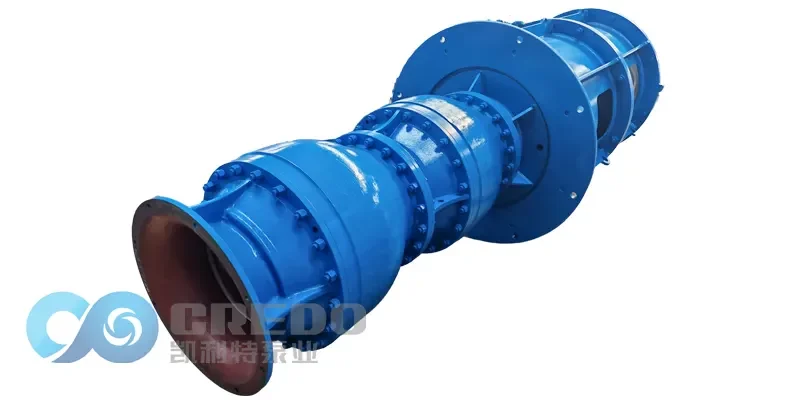
1. Understanding the “Pump Curve” vs. the “Impeller Segment Curve” Manufacturer-provided performance curves for submersible vertical turbine pumps are usually obtained under ideal laboratory conditions: precise installation, clean water, ambient temperature, and standard atmospheric pressure. These curves are commonly referred…
How to Interpret Vertical Turbine Pump Performance Curves
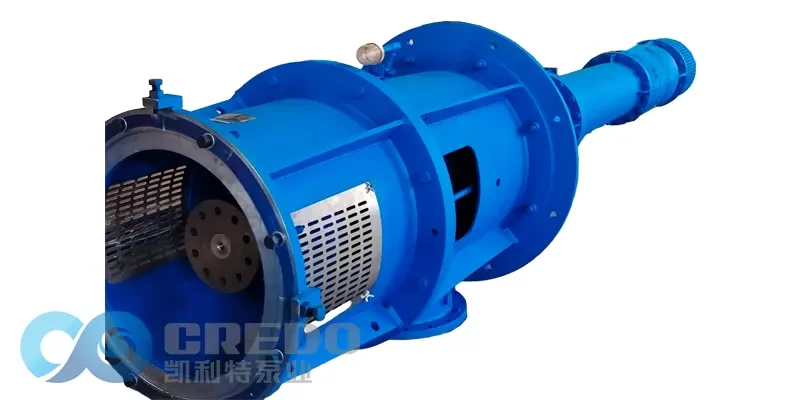
A vertical turbine pump (VTP) is a widely used pumping solution for industrial water supply and drainage, agricultural irrigation, mine dewatering, power plants, and fire protection systems. Its compact structure, ability to operate in deep wells or sumps, and capacity…
Key Design Requirements for Vertical Turbine Pumps According to API 610 and EN 12723
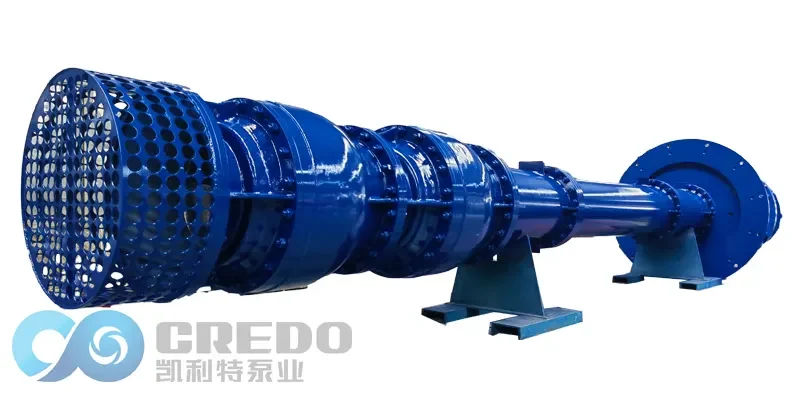
Vertical turbine pumps are essential in industries such as oil & gas, petrochemicals, and power generation. To ensure safety, reliability, and performance, two of the most influential international standards that govern their design and manufacturing are API 610 (American Petroleum…
Split Casing Pump Motor Bearing Temperature: Regulations, Causes of Abnormality, and Troubleshooting
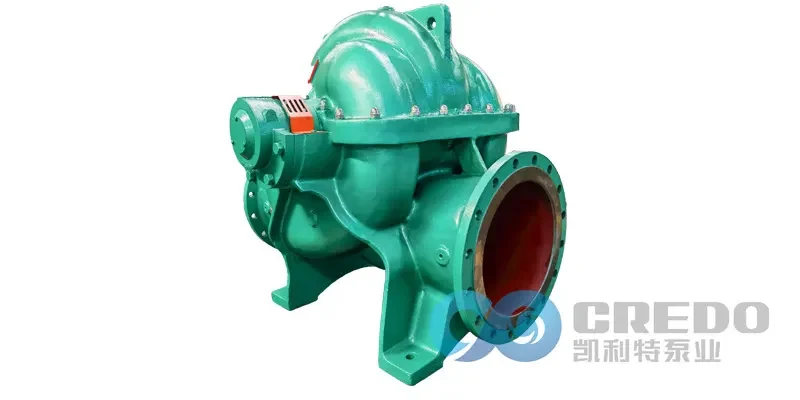
1. Introduction The operating temperature of motor bearings in a split casing pump is critical for reliable performance and long service life. Bearings are the most vulnerable components of the pump motor, and excessive temperatures can lead to premature wear,…
Split Case Double Suction Pump Impeller Optimization: A Collaborative Design Strategy for Reducing NPSHr & Energy Consumption
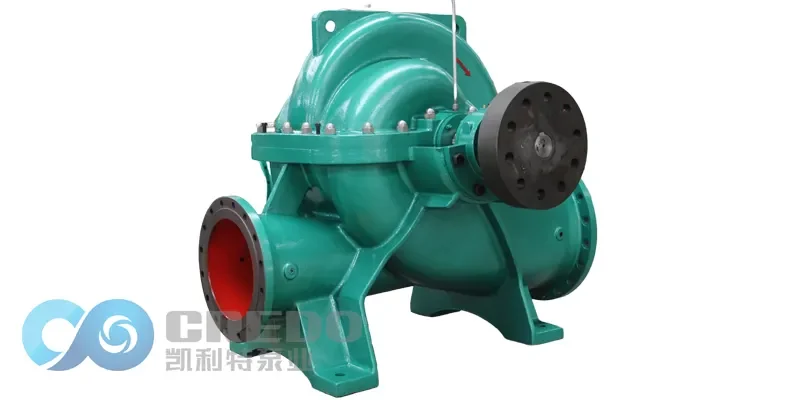
Split case double suction pumps (horizontal split-case centrifugal pumps) are widely used in high-flow scenarios such as municipal water supply and power plant circulation systems due to their symmetrical structure and ease of maintenance. However, the impellers are prone to…
Anti-Clogging Design and Wear Resistance Optimization for Vertical Turbine Pumps in Wastewater Recycling Systems
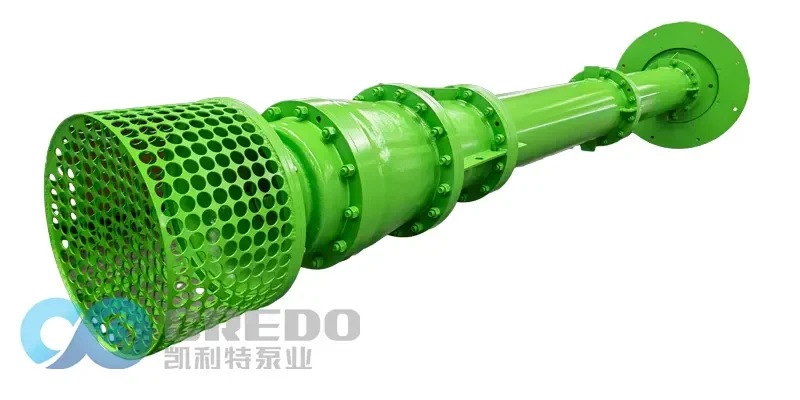
In industrial wastewater treatment, municipal sewage systems, and circulating water systems, vertical turbine pumps serve as core power equipment responsible for transporting complex media containing solid particles, fibers, and sediments. However, impurities in the media often lead to pump clogging…
Why Cartridge Mechanical Seals Are Essential for Vertical Turbine Pump Reliability
The Hidden Cost of Seal Failures in Vertical Turbine Pumps Mechanical seal failure is one of the most critical operational challenges for any vertical turbine pump. Due to deep-well designs where shaft lengths can extend tens of meters, traditional split…
Introduction to Mechanical Seal Failure in Vertical Lineshaft Turbine Pumps
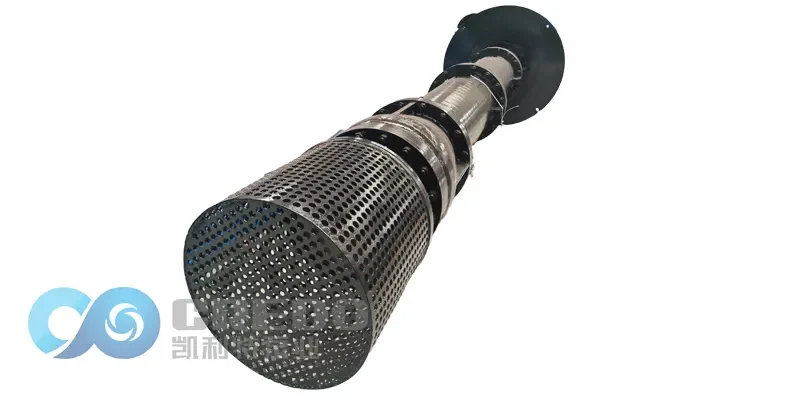
The vertical lineshaft turbine pump is essential in water supply, agriculture, power plants, and industrial applications. While known for its robust construction and long service life, one of its most common points of failure is the mechanical seal. In fact, mechanical seal…

